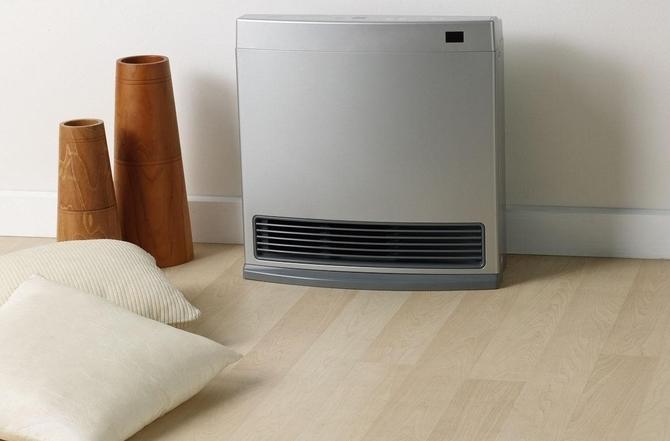
What Happens if You Don’t Repair Your Ducted Heating System on Time?
The ducted heating system, like electronic items, requires regular maintenance and repair. A big risk of not attending to duct repair problems in time is carbon monoxide leaking from the system and leading to poisoning. Carbon Monoxide is a dangerous gas and can prove to be fatal for you and your family.
Electrical and mechanical parts that need servicing or repairs must be taken care of in time. Failing to do so can result in the breakdown of the system as well as the possibility of fires.
Why Choose Us for Ducted Heating Repairs & Services?
There are various factors, which help you to decide that Craig’s Gas & Plumbing provides the best Ducted Heating Repairs & Services.
We have over 25 years of heating installation repair and service industry experience.
All our expert technicians are certified, qualified and licensed.
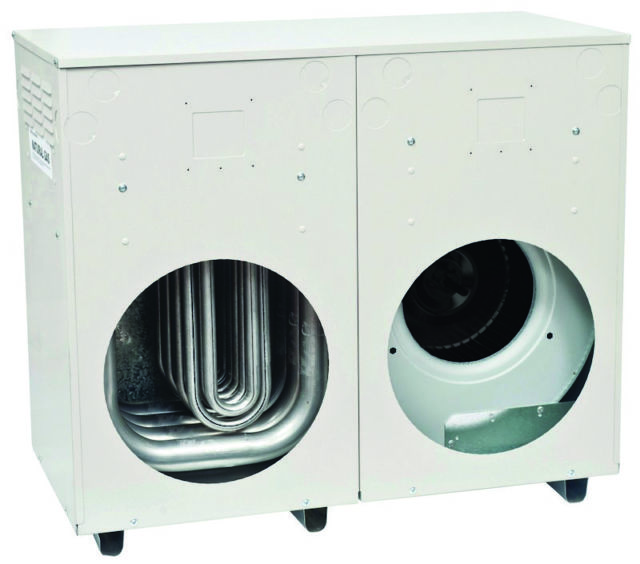
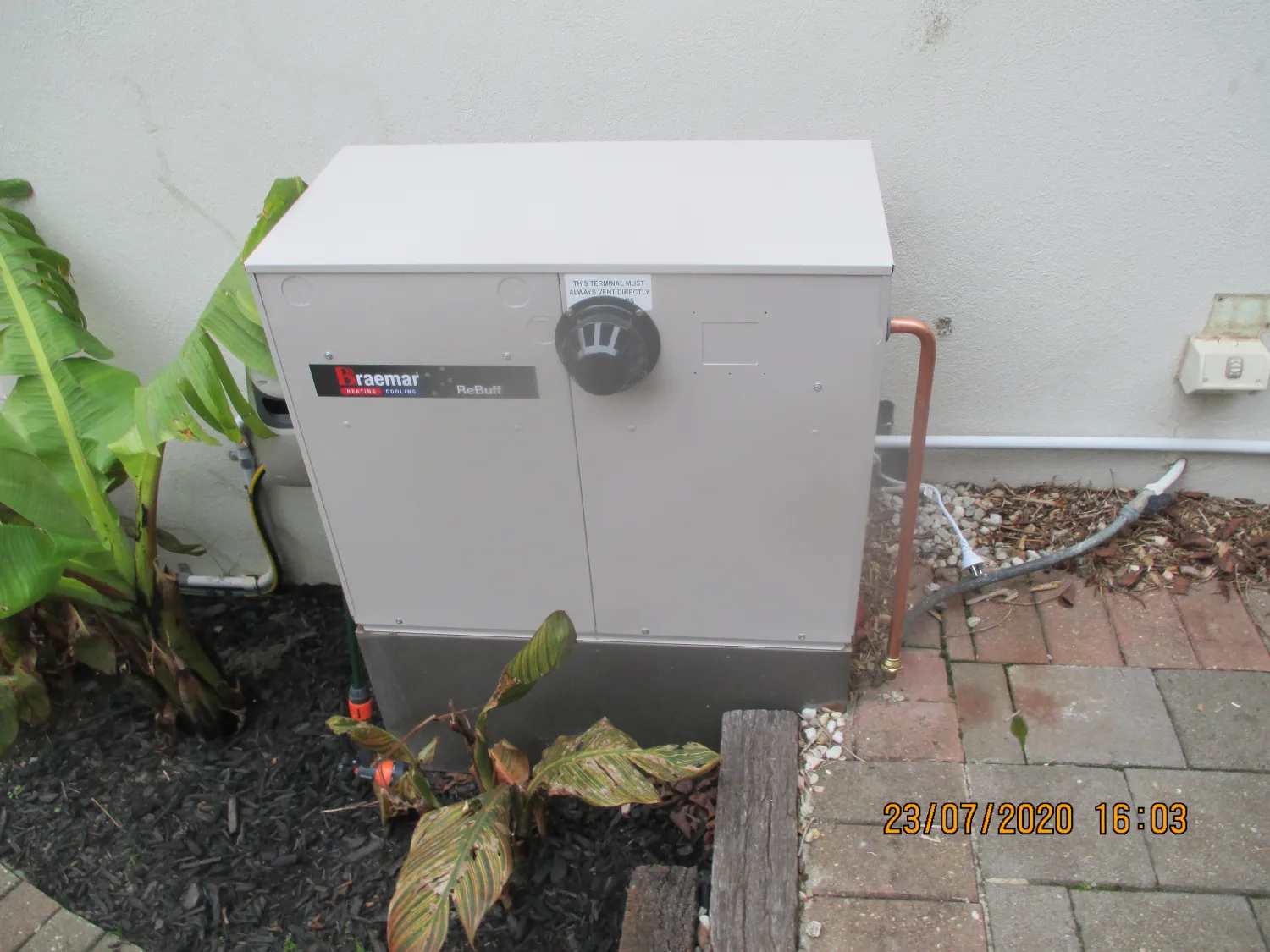
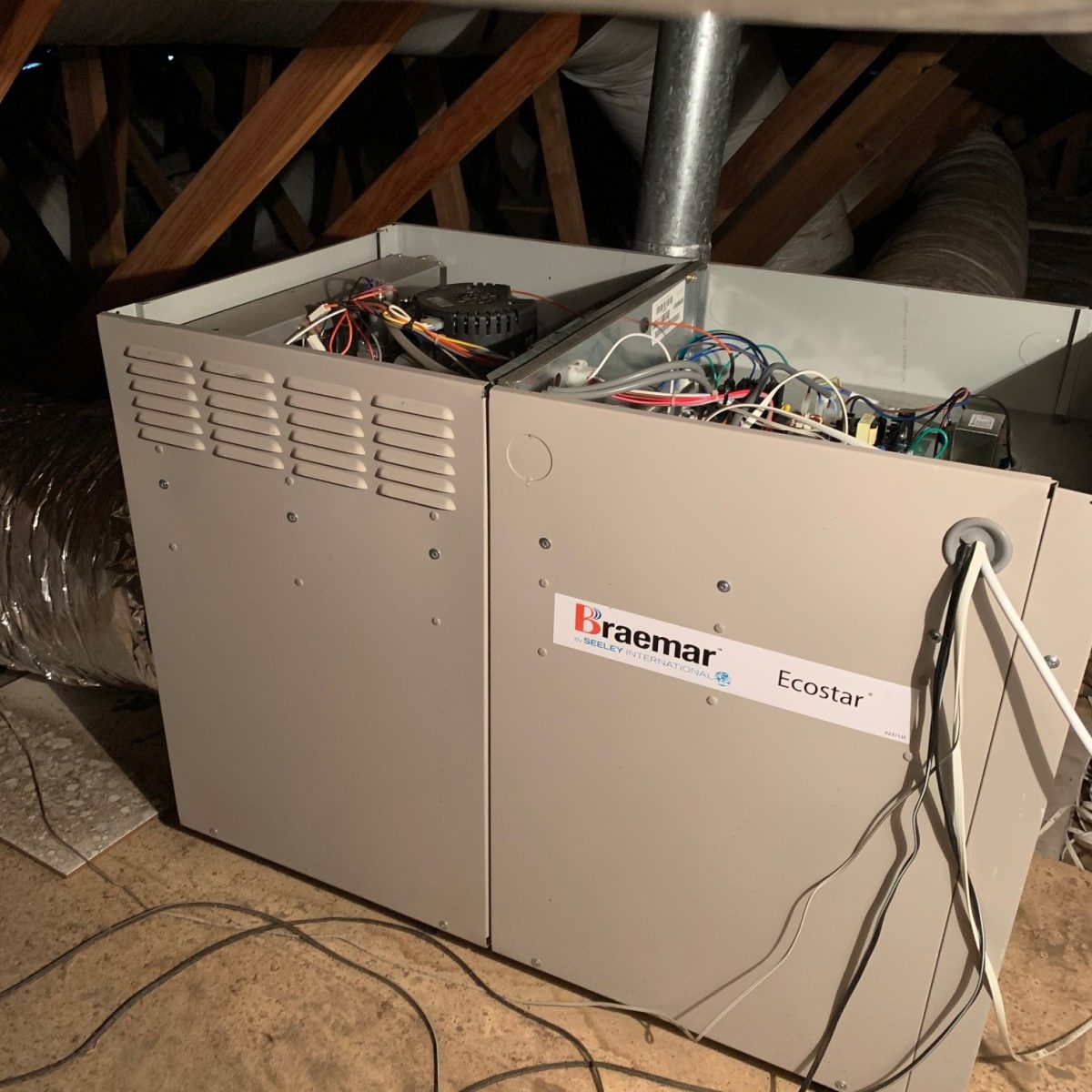
We service various brands available in the market, such as Brivis, Rinnai, Braemar, Pyrox, Vulcan, Stadt, Lennox, GasGlo, and Southern.
We assure you of the most affordable repair and service prices and the highest standards of quality and workmanship. We get it right the first time for your complete peace of mind.
Carbon Monoxide Poisoning
Carbon monoxide is a colourless, odourless, and highly dangerous gas that, when inhaled, prevents the blood from carrying oxygen and prevents the tissues from using oxygen effectively. Small amounts are not usually harmful, but carbon monoxide poisoning occurs if levels of carbon monoxide in the blood become too high. Carbon monoxide disappears from the blood after several hours.
Smoke from fires commonly contains carbon monoxide, particularly when the combustion of fuels is incomplete. If improperly vented, automobiles, furnaces, hot water heaters, gas heaters, kerosene heaters, and stoves (including wood stoves and stoves with charcoal briquettes) can cause carbon monoxide poisoning. Inhaling tobacco smoke produces carbon monoxide in the blood, but usually not enough to result in poisoning symptoms.
Prevention and Treatment
To prevent poisoning, indoor combustion sources such as gas space heaters and wood stoves require proper installation and ventilation. If such ventilation is impractical, an open window can prevent carbon monoxide accumulation. It helps the carbon monoxide gas to escape from the building. Exhaust pipes attached to furnaces and other heating appliances need periodic inspections for cracks and leaks. After a thorough inspection, proper maintenance and care should be done. Chemical detectors are available for the home that can sense carbon monoxide in the air and sound alarms when it is present. If carbon monoxide is suspected in a home, windows should be opened, and the home should be evacuated immediately. A professional team should be called to evaluate the source of carbon monoxide. Proper repair and preventive measures should be taken to ensure such events do not happen again. Constant monitoring with such detectors can identify carbon monoxide before poisoning develops. Like smoke detectors, carbon monoxide detectors are highly recommended for all homes.
For mild poisoning, fresh air may be all that is needed to minimize the effects of poisoning. To treat more severe poisoning, high oxygen concentrations are given, usually through a face mask, and the patient needs to be admitted to the hospital. Oxygen hastens the disappearance of carbon monoxide from the blood and relieves symptoms. The value of high-pressure oxygen treatment (in a hyperbaric chamber) remains uncertain.
Call us now to get a free quote.
Our qualified, professional and experienced technicians are knowledgeable and well versed in all aspects of repair and servicing gas appliances. They will be happy to answer every query of yours and come over to your house or office for an inspection of your duct heating system. They would advise you about how to maintain your ducted heating systems, what precautions you should take and what are danger signs to look out for. `Call us at (03) 9379 1733 now to book an appointment with us.